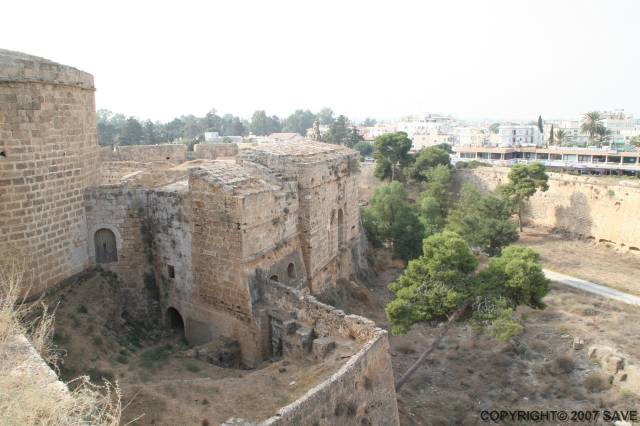
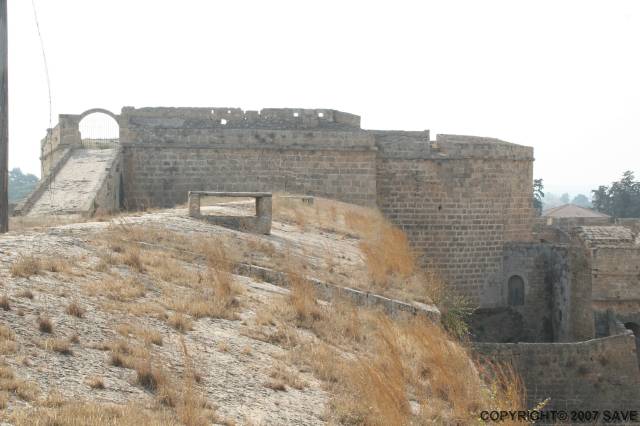
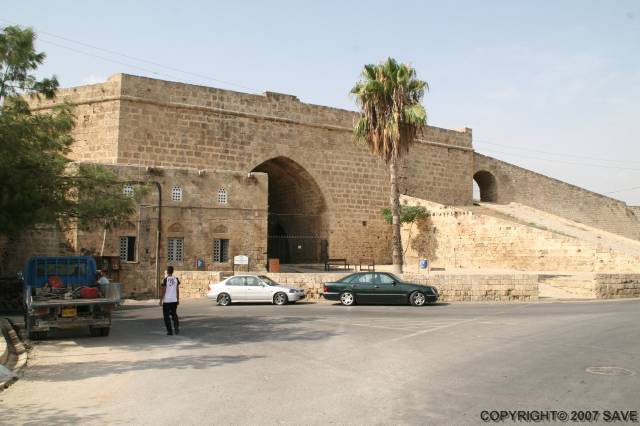
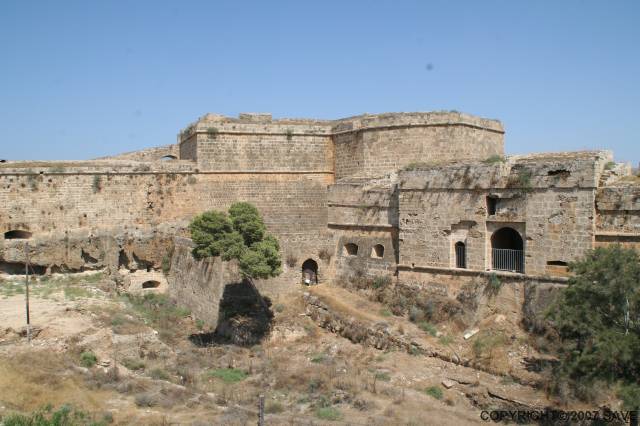
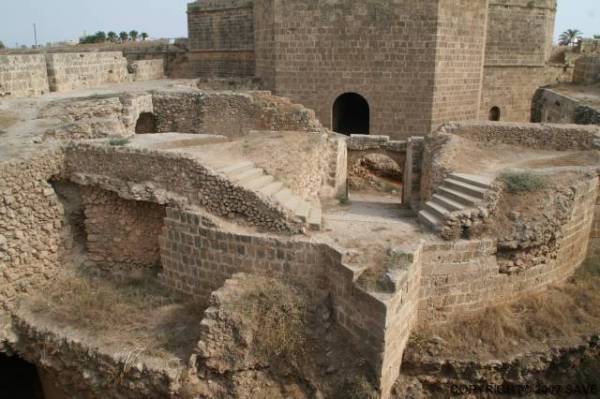
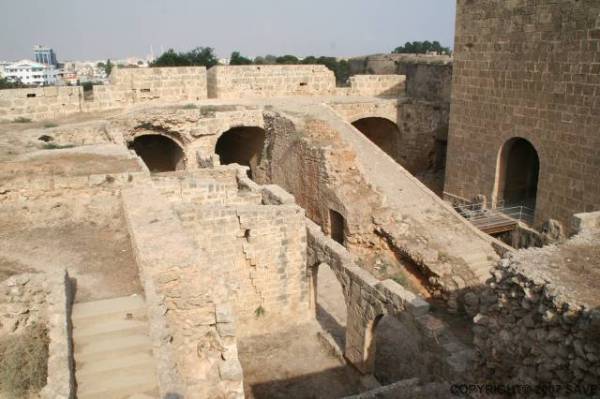
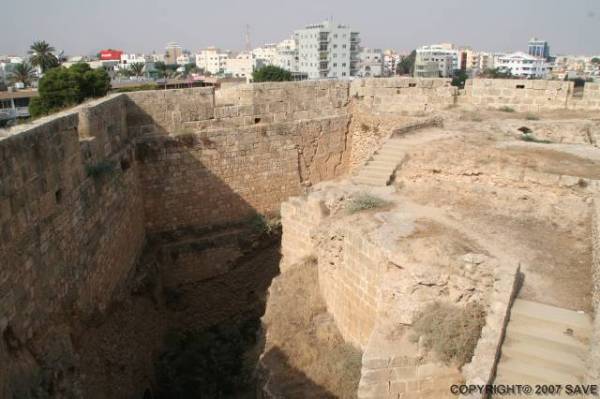
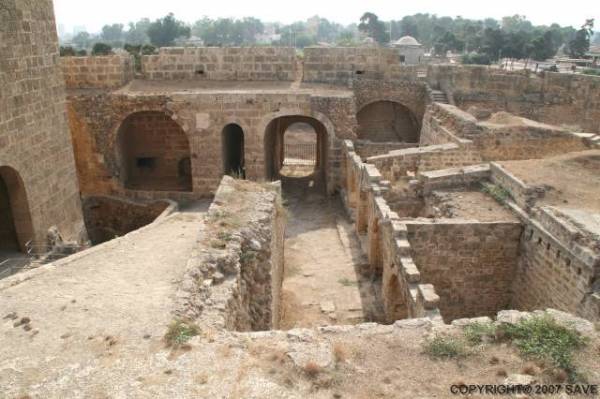
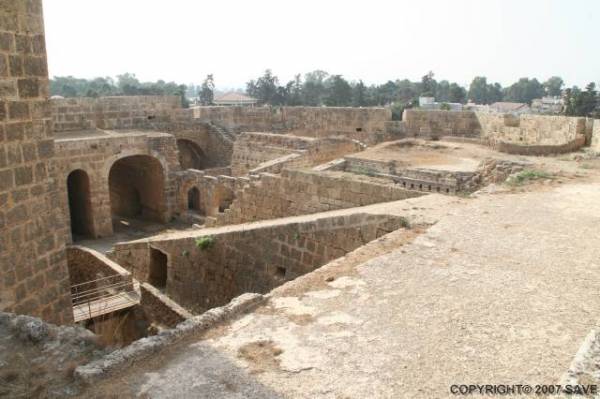
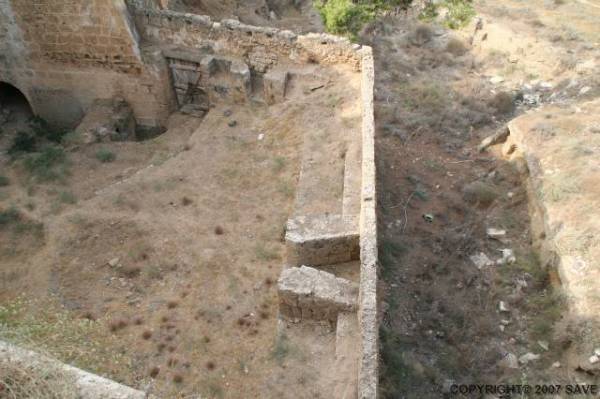
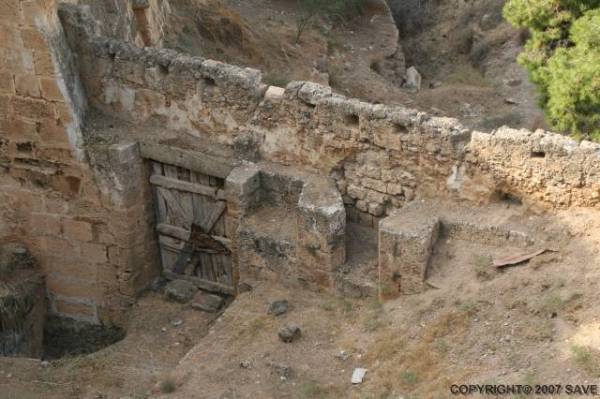
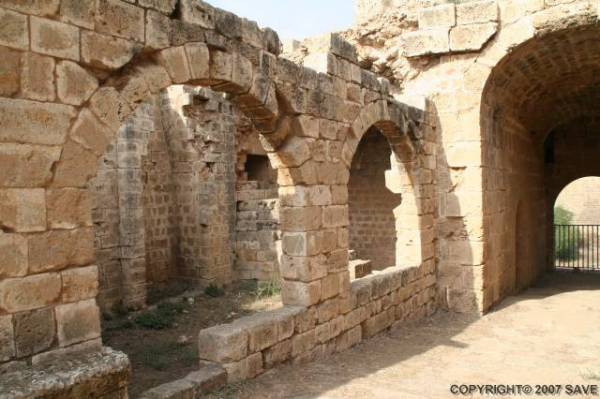
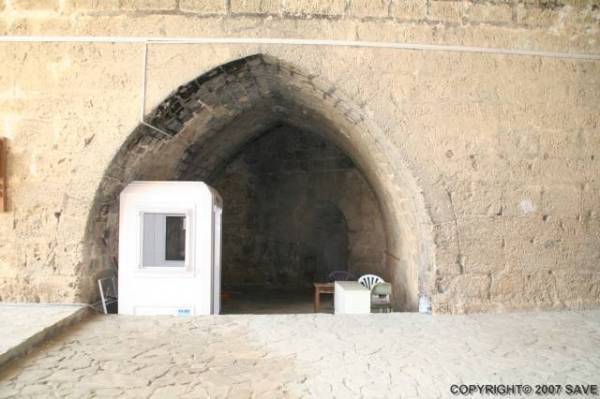
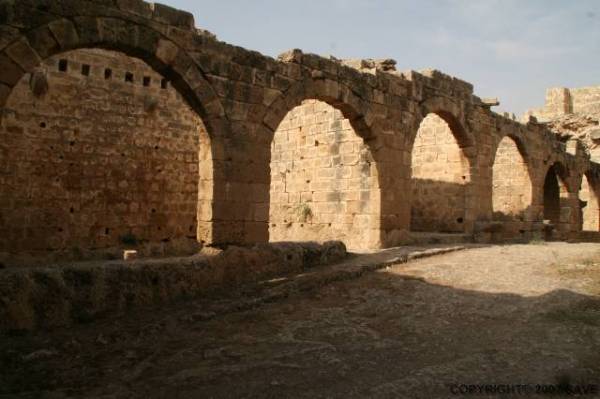
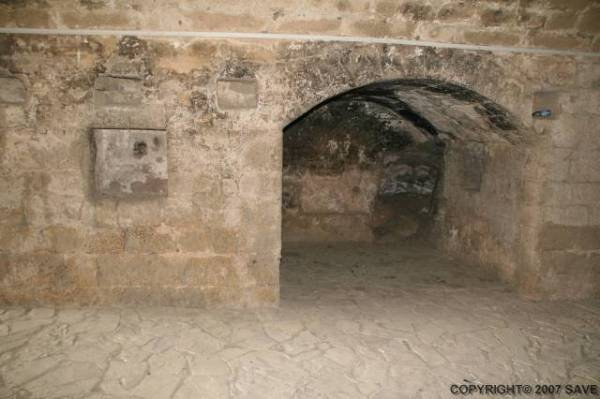
Condition; Conflict, development pressures, and global climate change threaten this historic site.
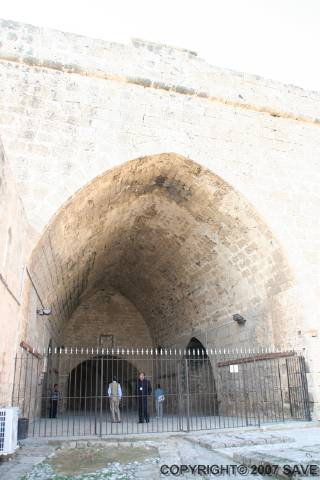
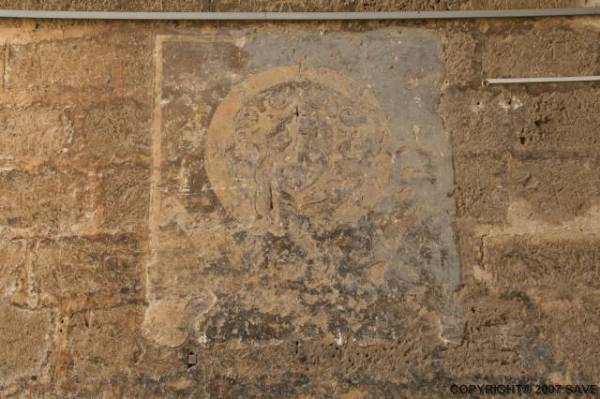
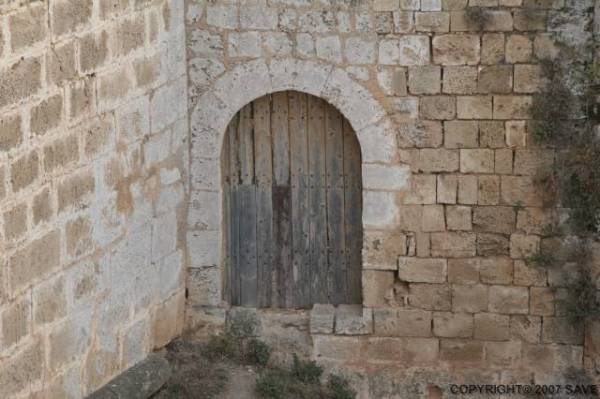
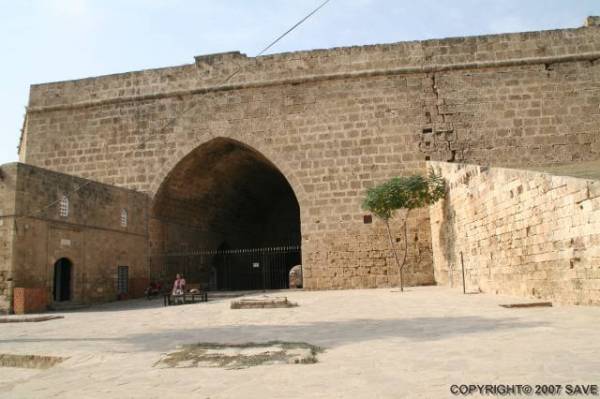
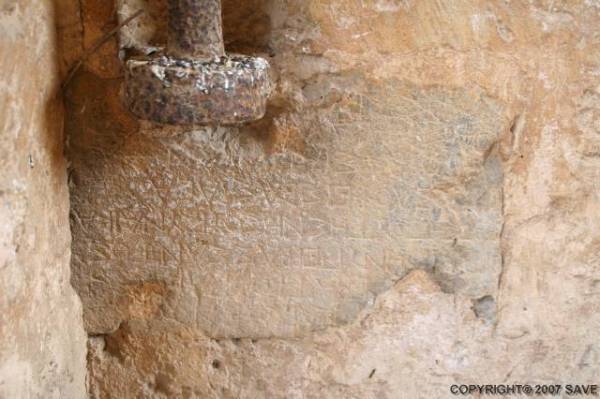
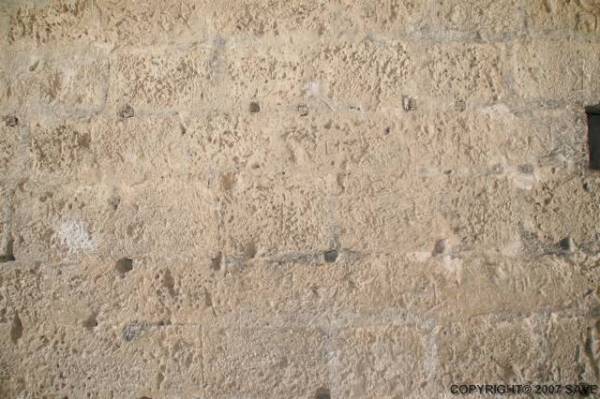
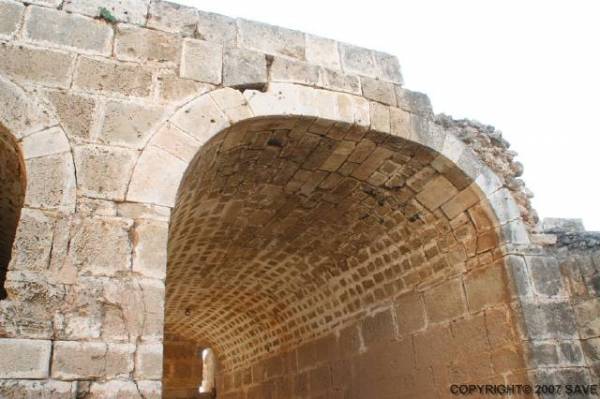
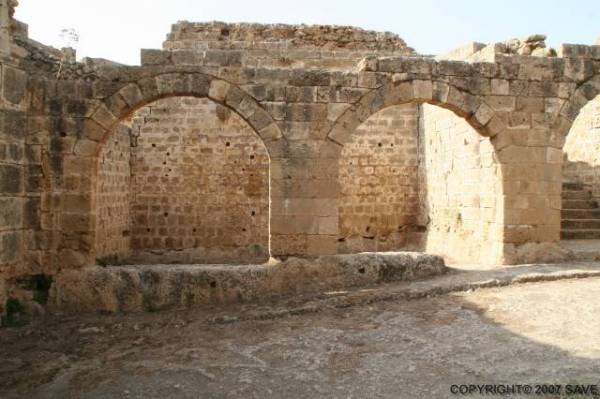
It is understood that the building, which is mentioned in the sources as a 15th century work, served the Melkites and Jacobites. The name “San Sesko”, which was purchased by a foundation in Ottoman times, is most appropriate for this church. It is understood that it was used as an unusual mosque with no minaret and unorganized interior structure with wall paintings, and that it was reserved for leather processors called 'Tabakçılar' because of its name. It is thought to have been utilized by the tanners working in the nearby Armenian church, which was used as a tannery (debbaghane) for a while. This reminds us that the act of worship is a value related to faith, not a place. The apse of the single nave building is at the same level with the height of the vault and is covered with a half dome. Due to the small size of the building, it has no buttresses. It has a door on the west, north and south facades. The building style was described by C.Enlart as a mixture of French, Aragones and Byzantine art. It was overhauled between 1937-39 and maintained by UNDP in 2018.